Booklet and Brochure Printing: Saddle-Stitch vs Perfect Bound
Picking the right binding for your booklet affects cost, page count and how premium it feels. Here is how saddle-stitch and perfect binding compare.
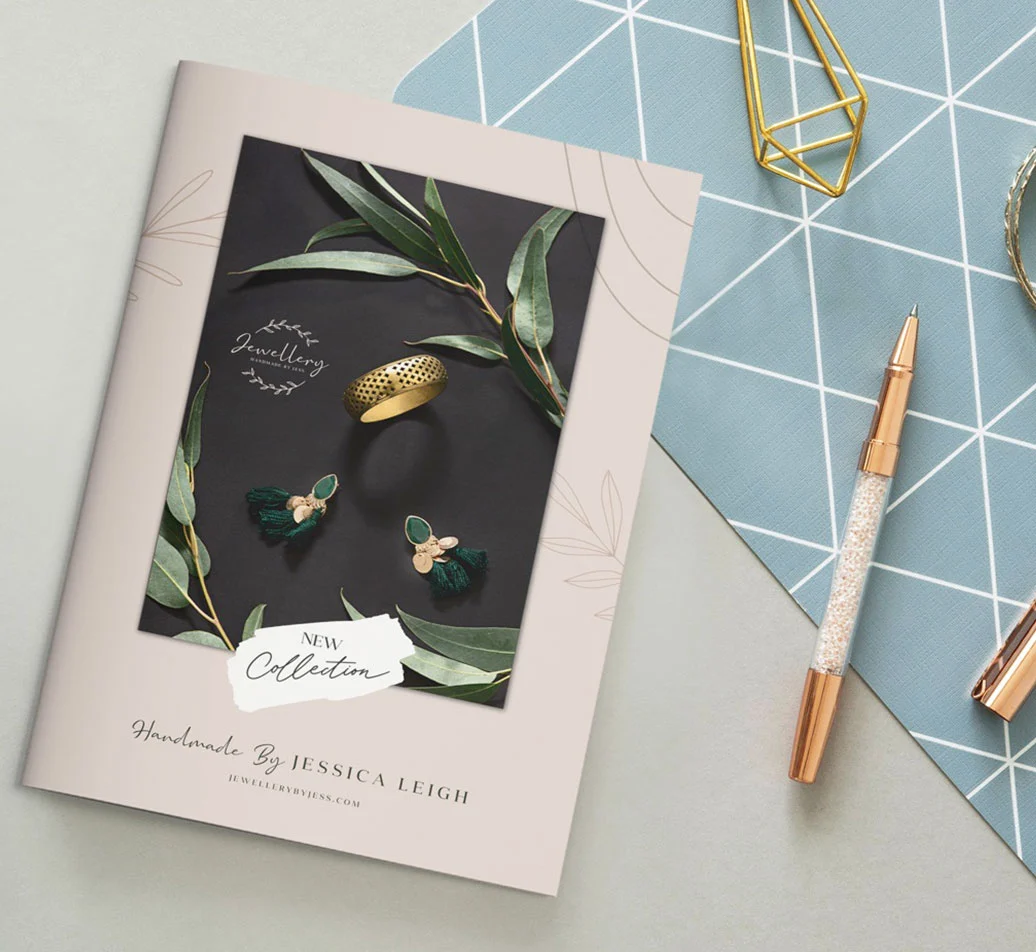
Booklets and brochures turn a lot of information into something people will actually pick up and read — catalogues, programmes, reports, prospectuses and lookbooks. The single biggest decision is binding, because it shapes the page count, the cost and how premium the finished piece feels.
Saddle-stitched booklets
Saddle-stitching folds printed sheets and staples them through the spine. It is the most economical and popular option for booklets up to roughly 64 pages. It lies reasonably flat, is quick to produce, and is perfect for event programmes, brochures, newsletters and price lists. Because pages are folded in sections, the total page count must be a multiple of four.
- Best for around 8–64 pages
- Economical and fast to produce
- Page count must be a multiple of four
- Great for brochures, programmes, newsletters
Perfect bound booklets
Perfect binding glues the pages along a flat spine and wraps them in a cover — the format you see on paperback books and high-end catalogues. It handles much higher page counts, gives you a printable spine, and simply feels more substantial and premium. The trade-off is a higher minimum page count (you need enough pages to form a spine) and a slightly longer production time.
- Best for higher page counts (catalogues, manuals, magazines)
- Flat, printable spine for shelf appeal
- Premium, book-like feel
- Needs more pages and a little more time
Which should you choose?
If your booklet is relatively slim and budget matters, saddle-stitch is almost always the right call. If you are producing a thick catalogue, a premium brochure, or anything that needs to look at home on a shelf with a readable spine, perfect binding earns its extra cost. When you are between the two, think about the impression you want to leave as much as the page count.
A few production tips
Design booklets as reader spreads but supply pages as single pages (your printer imposes them correctly). Keep important content away from the spine — especially on perfect bound jobs, where the inner margin is tighter. Choose a slightly heavier cover stock than the inner pages for a professional finish, and add lamination to the cover if it will be handled a lot.
Frequently asked questions
How many pages can a saddle-stitched booklet have?
Saddle-stitching suits booklets up to around 64 pages, in multiples of four. Beyond that, perfect binding is the better choice.
Which binding looks more premium?
Perfect binding feels more premium thanks to its flat, printable spine and book-like finish. Saddle-stitch is more economical and ideal for slimmer booklets.
Need this printed?
Printed in Lisburn with fast delivery across Belfast & Northern Ireland.
Related articles
 Guides
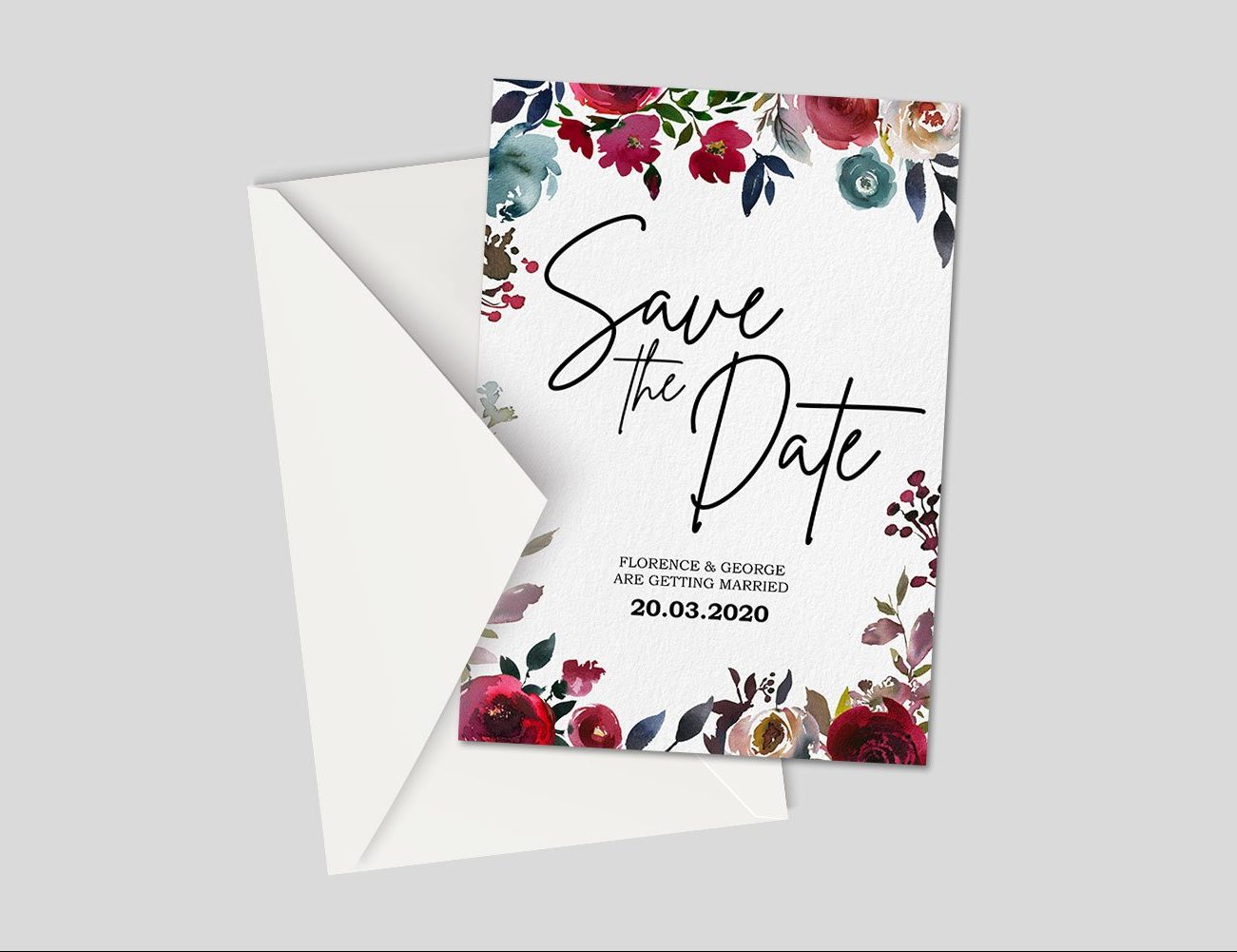
Invitation Printing Guide: Sizes, Card Stock and When to Order
A practical guide to printed invitations for parties, corporate events and celebrations — sizes, card weights, finishes, and how they differ from wedding suites.
Read article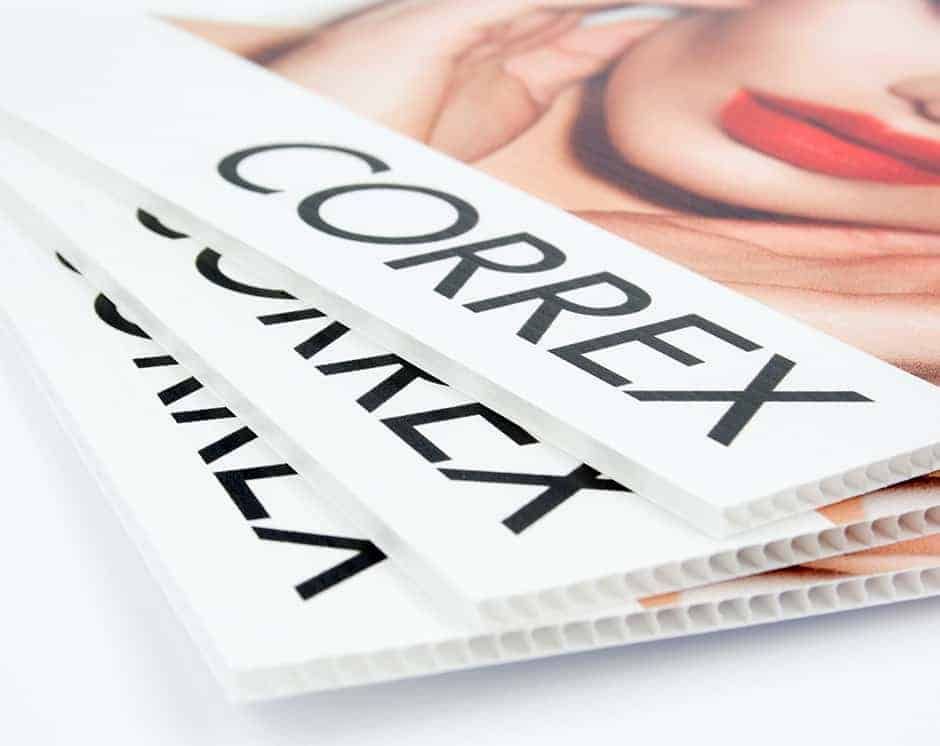 Guides
Correx Site Signage in Northern Ireland: Boards That Survive the Weather
When to choose correx over foamex or PVC banners for construction sites, estate agent boards and outdoor notices — plus sizes, fixing and artwork tips.
Read article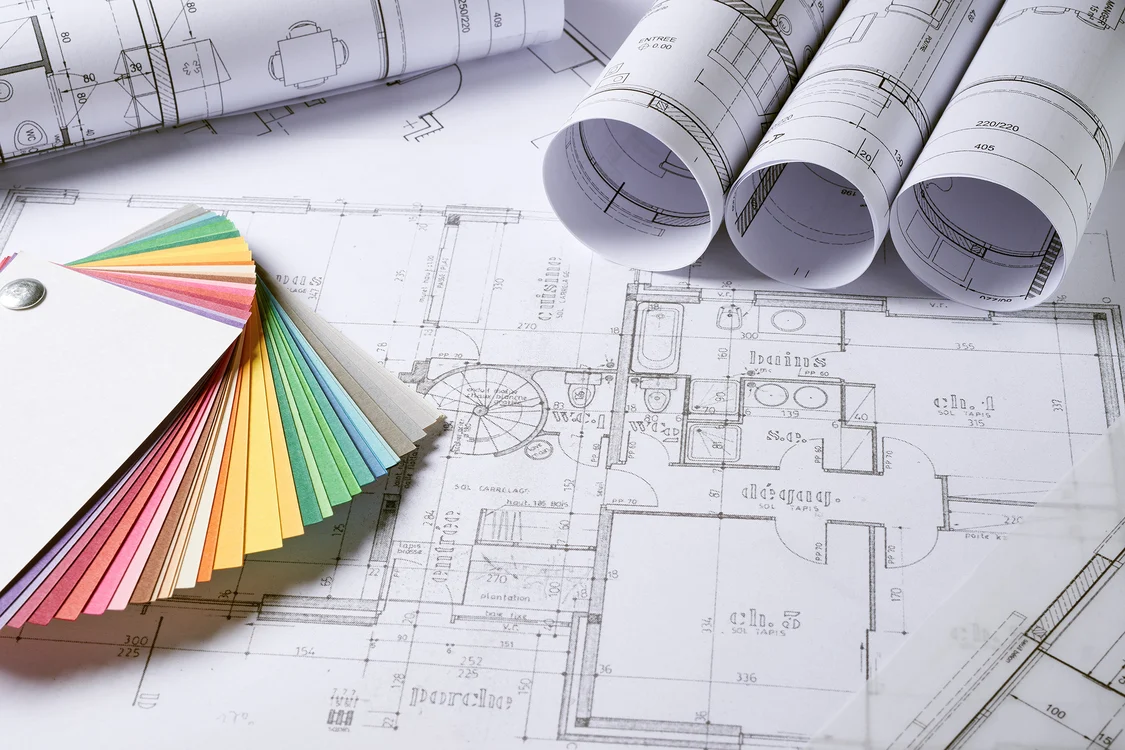 Guides
Architectural Plan Printing in Lisburn: A0, A1 and A2 Drawings That Scale
How to get architectural and engineering plans printed to scale in Lisburn — paper choice, colour vs mono, folding vs rolling, and when weatherproof stock is worth it.
Read article