Choosing the Right Paper Stock and Finish for Your Print
GSM, gloss, silk, matt, lamination — what it all means and how to pick the paper and finish that makes your print feel right and last longer.
Two flyers can carry the identical design and feel like completely different products — one cheap and flimsy, the other premium and considered. The difference is the paper and the finish. Understanding a few basics lets you make that choice deliberately rather than leaving it to chance.
What GSM actually means
GSM stands for grams per square metre — simply, how heavy the paper is. Higher GSM generally means thicker, stiffer, more substantial stock. As a rough guide: 90–130gsm is light, the weight of a typical flyer or letterhead; 170gsm is a sturdy flyer or poster weight; 250–350gsm is firm card territory used for premium flyers, menus and business cards. Heavier is not automatically better — it is about matching the weight to the job.
- 90–130gsm: letterheads, economical flyers, leaflet inserts
- 170gsm: quality flyers, posters, double-sided leaflets
- 250–350gsm: premium flyers, menus, business cards, invitations
Gloss, silk or matt?
Finish changes both look and feel. Gloss is shiny and reflective — it makes photographs and bold colours pop, which suits image-led promotions. Silk (sometimes called satin) sits in the middle: a subtle sheen, less glare, and easier to read, which makes it a safe all-rounder. Matt is flat and non-reflective for an understated, modern look — elegant, though solid dark colours can show marks more easily.
Gloss for photography, silk for everyday all-round use, matt for an understated premium feel.
When to add lamination
Lamination bonds a thin protective film to the printed sheet. It dramatically increases durability and water resistance, deepens colours, and adds a tactile quality. It is well worth it for items that get handled constantly or need to survive — business cards, menus, loyalty cards. Soft-touch (matt) lamination in particular gives a velvety, premium feel that is hard to convey any other way. For short-lived items like event flyers, it is usually an unnecessary cost.
Matching stock to the product
A few reliable pairings: business cards feel right at 350gsm, often laminated; restaurant menus benefit from a heavier silk stock or lamination so they wipe clean; promotional flyers do their job on 130–170gsm gloss; posters look great on 170gsm satin. When you are not sure, order a sample — feeling the difference in your hand is worth more than any description.
That is exactly why we offer a free sample pack: see and feel our most popular stocks and finishes before you commit to a run.
Frequently asked questions
Is higher GSM always better?
No — it is about fit. A heavy 350gsm stock is perfect for business cards but overkill (and costly) for a leaflet insert. Match the weight to how the item will be used.
Does lamination cost a lot more?
Lamination adds some cost but greatly improves durability and feel. It is worth it for cards, menus and anything handled repeatedly, and usually unnecessary for short-lived flyers.
Need this printed?
Printed in Lisburn with fast delivery across Belfast & Northern Ireland.
Related articles
 Guides
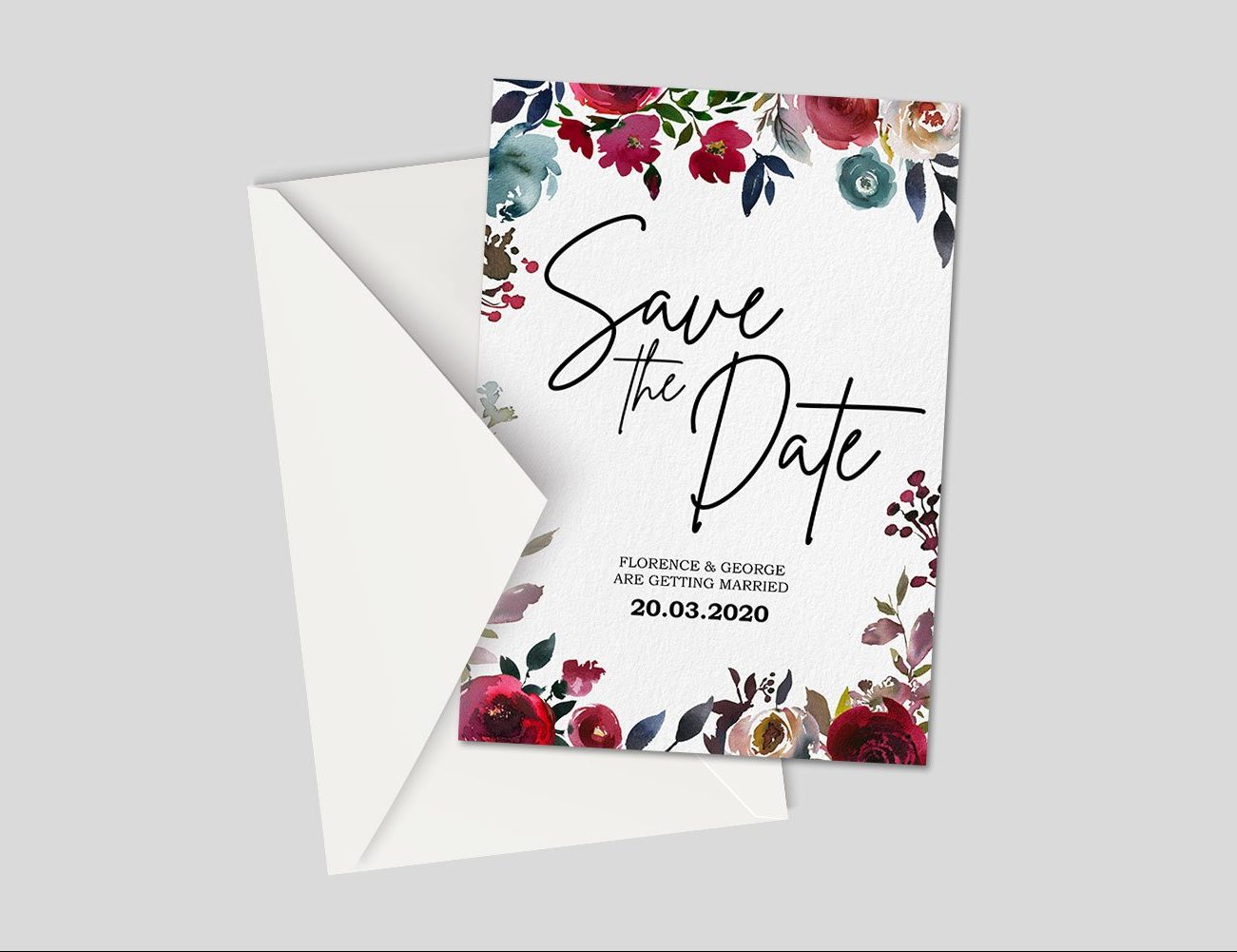
Invitation Printing Guide: Sizes, Card Stock and When to Order
A practical guide to printed invitations for parties, corporate events and celebrations — sizes, card weights, finishes, and how they differ from wedding suites.
Read article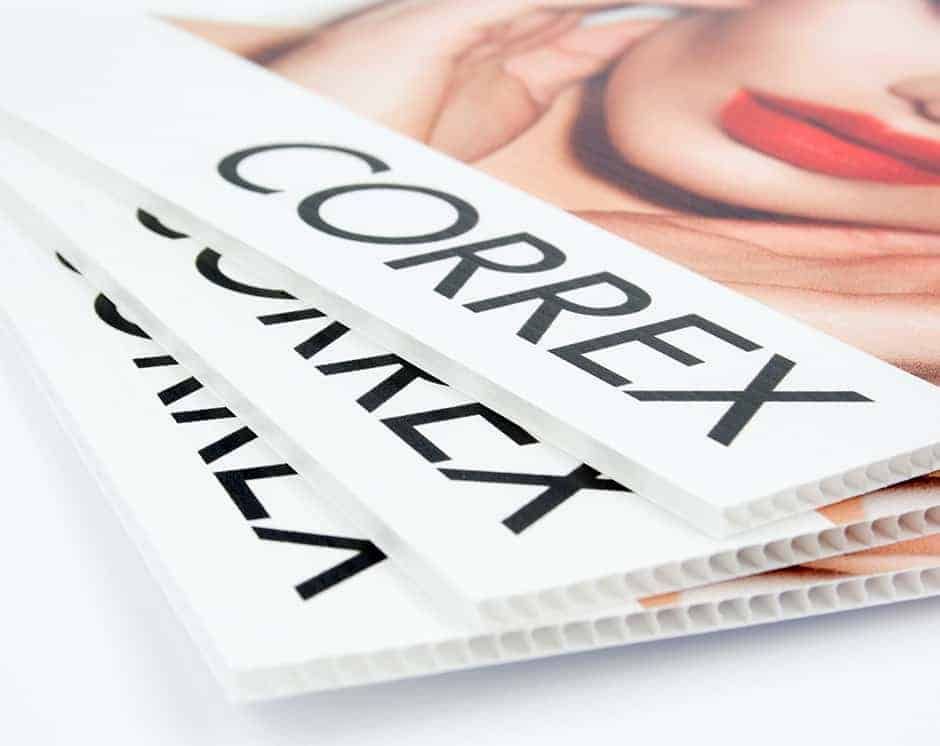 Guides
Correx Site Signage in Northern Ireland: Boards That Survive the Weather
When to choose correx over foamex or PVC banners for construction sites, estate agent boards and outdoor notices — plus sizes, fixing and artwork tips.
Read article Guides
Architectural Plan Printing in Lisburn: A0, A1 and A2 Drawings That Scale
How to get architectural and engineering plans printed to scale in Lisburn — paper choice, colour vs mono, folding vs rolling, and when weatherproof stock is worth it.
Read article